
How to Turn a Small Space Into a Profitable Home Photography Studio
Jan 29
2 min read

You don’t need a massive studio, expensive rentals, or perfect light to create beautiful photos or run a successful photography business.
In fact, some of the most flexible and profitable photography setups happen in the smallest spaces.
Over the years, I’ve built three different home studio setups inside real homes. Dining rooms. Offices. Small front rooms. Each one taught me something new about what actually works, what doesn’t, and how to adapt when space is limited.
My current home studio is tiny but mighty and brings in over $50,000 a year in sales.
That experience is exactly why I created my new course, Building Your Own Home Studio

Why a Home Studio Changes Everything
Renting studio space sounds great until real life happens.
Weather changes. Kids get sick. Sessions need to be rescheduled. Suddenly you’re losing money, flexibility, and peace of mind.
Having your own studio, even a temporary one, changes that completely. You can photograph on your schedule. Move things around as needed. Reset your space without losing a rental fee. And most importantly, you gain confidence in knowing you can create consistent results anytime.
This applies whether you’re a professional photographer or a parent wanting better photos of your kids at home.
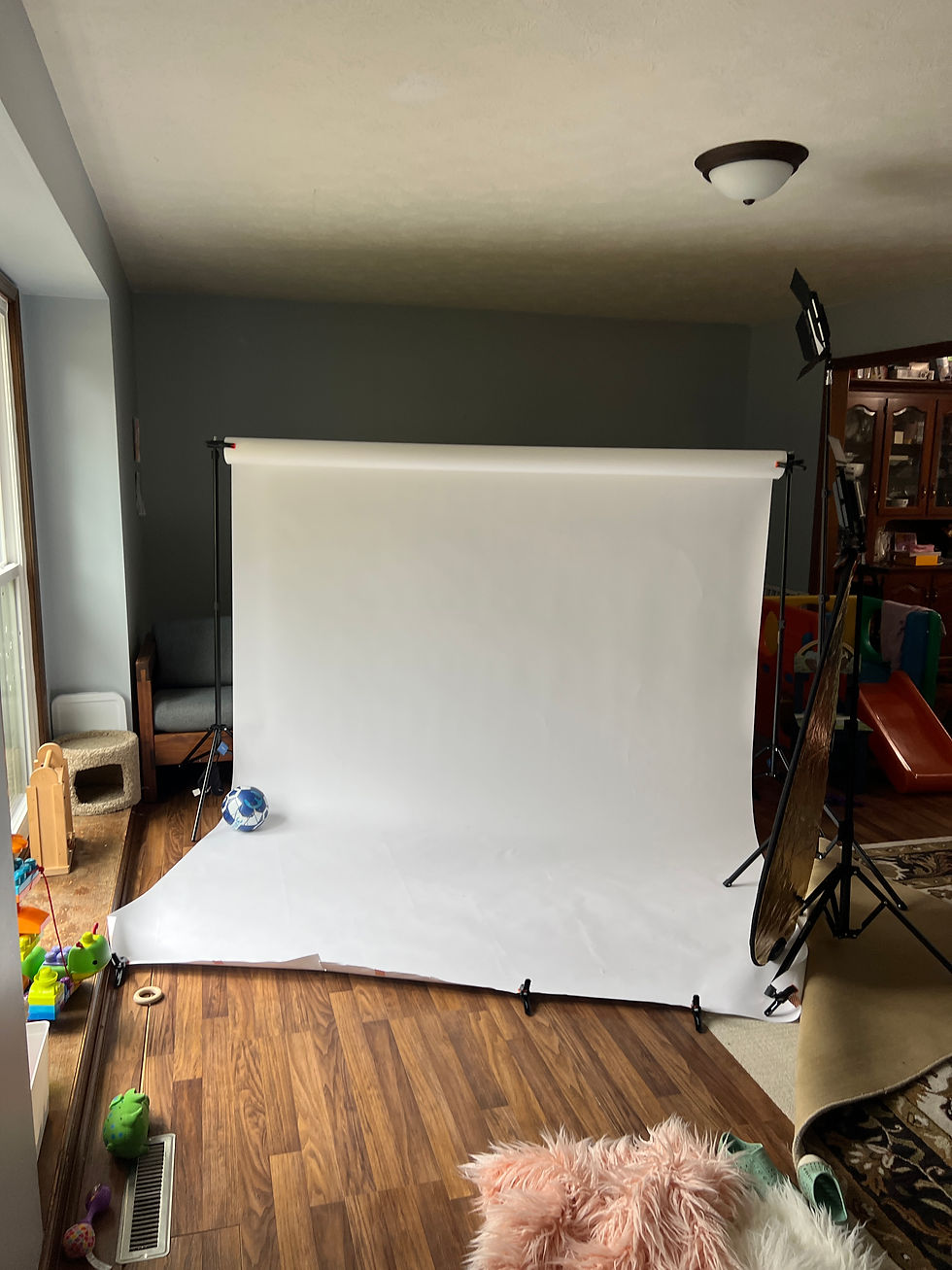
Small Spaces Can Still Create Big Results
One of the biggest myths in photography is that you need a large studio to be successful.
You don’t.
With the right window light, a simple background, and a basic understanding of how light works, you can create clean, professional images in almost any space. A spare room. A garage corner. A dining room wall. Even a temporary setup you pull out when needed.
In my course, I walk through real examples of permanent and temporary studio setups, explain what worked, what didn’t, and show you how to make the most of the space you already have.

What You’ll Learn Inside the Course
This course is practical and experience-based. Nothing is theoretical.
Inside, I cover:
How to use natural window light effectively
Temporary vs permanent studio setups
Backdrop and flooring options that work in small spaces
Budget-friendly gear and what’s actually worth investing in
Lessons learned from three real home studios
How to adapt your setup for minis, milestones, headshots, and family sessions
This works whether you’re shooting with an iPhone or a professional camera. The focus is on light, layout, and simplicity, not buying everything at once.

Ready to Build Your Own Home Studio?
You don’t need more space. You need a better setup.
If you’re ready to stop overthinking your space and start creating with confidence, this course will walk you through it step by step.
Let's Do This!
Get Started HERE
See you soon! Christie


